





What to Look for When Buying Doors in Australia (And How It Affects Your Door Handles)
When you plan a renovation or new build, it is natural to get drawn to the details first. Door handles are one of those details; you notice the finish, the shape, the way they feel in your hand. But in reality, the door comes before the handle.
The type of door you choose decides which handles will fit, how well they will work, and how long they will last in Australian conditions. If the door and hardware are not matched, you can end up with latches that do not line up, locks that feel awkward, or handles that do not cope with daily use.
In this post, we will walk through what to look for when you are buying doors in Australia, and how every choice – from door type to material and compliance – flows through to your door handles. The idea is to give you clear, calm guidance so you can choose doors and handles that feel right for your home, rather than guessing your way through it.
Start With the Door, Not the Handle
Think of the door as the structure and the handle as the interface. The structure has to be right before you decide how you want to touch and operate it every day.
Door hardware is not one-size-fits-all. The door itself sets the rules:
- How thick the door is
- Whether it is external or internal
- Whether it swings, slides, or disappears into a cavity
- What it is made from
Once those basics are set, choosing the right handle becomes a matter of fit, function, and finish. Trying to do it the other way around usually leads to compromises, and brings a series of issues, like handles that do not sit correctly, latches that feel wrong, or locks that are hard to upgrade later.
Think of it this way: the door is the structure. The handle is the interface. You want both to be designed for each other.
How Door Type Shapes the Hardware You Need
The easiest way to think about this is to look at what each door in your home is meant to do. A front door does a different job to a bedroom door or a sliding door to the deck, so it makes sense that they need different hardware.
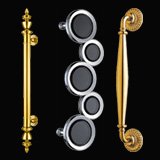
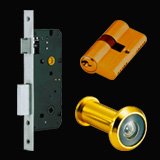
Front Doors: For front doors, security and first impressions sit side by side. You usually want a solid or solid-core door that feels substantial, paired with a proper entry set or pull handle and a quality lock. Handles in this category are designed to work with stronger locks and to cope with repeated use and weather exposure. When you see front door handles grouped separately, this is why – they are built with external conditions and security in mind.
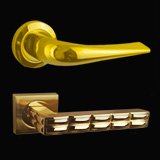
Passage or Internal Doors: Internal doors are more about privacy and circulation than security. Bedroom and bathroom doors often use privacy sets with a simple turn snib, while living areas, studies, and laundries may only need a passage set that latches without locking. Internal door handles are typically designed for these lighter, often 35 mm thick internal doors, so they sit neatly and operate smoothly without feeling oversized or heavy.
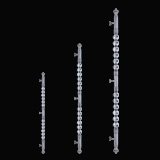
Sliding Doors: You may not realise, but sliding and cavity doors are a category of their own. Because the door slides past a wall or into a cavity, standard lever handles that stick out can get in the way. Flush pulls, sliding privacy sets, and edge pulls are usually a better match. If you know early that a doorway in your Brisbane or Sydney home will be a sliding or cavity door, it is worth choosing the door and sliding hardware together so everything works smoothly from the start.
Door Material and Thickness: Details That Change Your Options
Door material is not just an aesthetic choice. It changes how your handles are fixed, how they feel to use, and how they age over time.
Timber doors remain a popular choice for many Australian homes because of their warmth and flexibility with different finishes. They usually work well with lever handles, knobs and pull handles. The key is choosing hardware with fixings designed to bite solidly into timber and lock bodies that suit the thickness of the door.
Aluminium and composite doors lean more toward a modern, low-maintenance look. They may have metal skins, composite cores or thermal breaks built in. This can change what kind of fixings and lock cases are appropriate. Handles for these doors sometimes use through-fixing or specific kits, rather than simple timber screws.
Thickness also matters. In many homes, internal doors are often around 35 mm thick, while external doors are closer to 40 mm, with common heights around 2040 mm and popular widths such as 820 mm. Even though there is no single official “standard” size, a lot of door hardware is designed with these dimensions in mind. The size of the backplate or rose, the backset of the latch and the fixing length all assume a typical Australian door.
Push or Pull handles are designed for Australian-standard door sizes and thicknesses, which makes it easier to match them with the doors you are likely to find in houses and apartments across cities like Melbourne and Perth.
Security Comes First on External Doors
For external doors, especially your main entry, security should be considered before appearance. A good-looking handle does not mean much if the door structure is weak.
For front and other external doors, pay attention to:
- Solid-core construction rather than hollow-core panels
- Quality locks and cylinders that meet Australian expectations for security
- Strong frames and fixings so the door cannot easily be forced
If your front door includes glass – for example, as a glazed panel, French doors, or a sliding door – it should be part of a system designed to meet the performance requirements set out for external glazed doors in Australia. Your handle and lock should be compatible with that system, not working against it.
When in doubt, ask your supplier whether the door, frame, glazing, and hardware are meant to work together as a package. It is an extra question now that can save a lot of trouble later.
Weather, Climate and Everyday Exposure
Once you step outside, the environment starts to play a big role. Australian weather can be harsh on both doors and door hardware. High UV exposure, sudden temperature swings, humidity and coastal salt air all have an effect.
A door that sits under a deep porch in the suburbs will experience less direct stress than a fully exposed door that faces afternoon sun and ocean winds. Dark finishes on both doors and handles can heat up significantly, and some materials will show this wear faster than others. In coastal areas, salt carried in the air can accelerate corrosion if materials and finishes are not chosen carefully.
When you choose doors and handles, it is worth having a quick, and think about the position of each one. How much sun will it get? Is it shielded from wind and rain? Are you close to the coast? From there, you can look for hardware with the right level of corrosion resistance, such as marine-grade stainless steel or high-performance protective coatings, so your entry continues to look good and operate smoothly.
Energy Efficiency and Insulation
Doors are also part of your home’s comfort and energy picture. An external door with a hollow or poorly insulated core can allow more heat to move in and out, while gaps around the door can create noticeable drafts. Look for:
- Insulated cores on external doors to reduce heat transfer.
- Proper seals and weather strips around the door frame to stop drafts and water ingress.
- Optional double-glazed glass panels if you want light without losing too much thermal performance.
Good handles support this by working reliably with modern multi-point locks and compression seals. These also allow the door to close firmly without needing to slam it.
When the door, frame, seals, and hardware are designed to work together, you will feel fewer drafts and notice more consistent indoor temperatures.
Bushfire and Building Compliance
If you are building or renovating in a bushfire-prone area, your doors may need to meet specific Bushfire Attack Level (BAL) ratings. These ratings set out how resistant a building element needs to be to ember attack, radiant heat and direct flame for a given level of risk.
For doors, that can influence the materials allowed, the type and thickness of any glazing, and the way frames, seals and screens are designed. Hardware may also need to be suitable for use on these rated door sets.
The most practical steps for you are to confirm your site’s BAL rating through your designer or local council, and then make sure any external doors and hardware are chosen as part of a compliant system for that rating. That way, you are not just picking a door you like and hoping it will be approved later – you are working within a clear framework from the start.
Design, Street Appeal and How It Feels to Use
Once the practical side is handled, you can spend more time on how the door and handle actually look and feel.
A front door is a big part of your street presence, and the handle is the piece people touch every time they arrive. It makes sense to choose hardware that reflects the style of the home, whether that means clean, minimal lines for a contemporary build or more detailed profiles for a classic or heritage-style house. Popular Australian finishes such as black, satin brass, stainless steel and bronze tones can be matched to other fixtures around the home for a connected look.
Beyond appearance, there is the everyday feel. A handle should feel comfortable in your hand, be easy for all family members to operate, and move smoothly without sticking or rattling. This is where quality internal mechanisms and thoughtful design make a difference you notice every day but rarely think about, which is exactly how it should be.
Installation, Warranty and Ongoing Care
Even the best door and hardware combination will only perform as well as the installation allows. A good installer will set the frame square, hang the door correctly, and fit the latches and locks so they engage cleanly. This reduces strain on hinges, handles and locks, and helps prevent issues such as rubbing, sagging or misaligned strikes.
When you are comparing handles and locks, take a moment to read what the warranty actually covers. Some warranties focus on mechanical operation, others on finishes, and some on both. It is also worth noting any conditions around installation and care, such as professional fitting or regular cleaning in coastal zones.
Maintenance does not have to be complicated. Wiping down handles to remove salt and grime, checking fixings occasionally, and keeping seals clean all help the hardware to keep doing its job with minimal fuss.
Bringing It All Together
Choosing doors and handles becomes simpler once you see how the decisions link together. You start by deciding where each door sits and what it needs to do. You choose a door type and material that suits that purpose, your climate and any compliance requirements. Then you look for door hardware that is designed to fit that door in thickness, function and everyday use.
Once your doors are selected, choosing the right door handles is really about fit, function and finish. Push or Pull offers Australian-designed handles made to suit common door sizes, constructions and lifestyles in modern Australian homes. Contact us today for guidance on choosing the right door hardware for your next project.

